
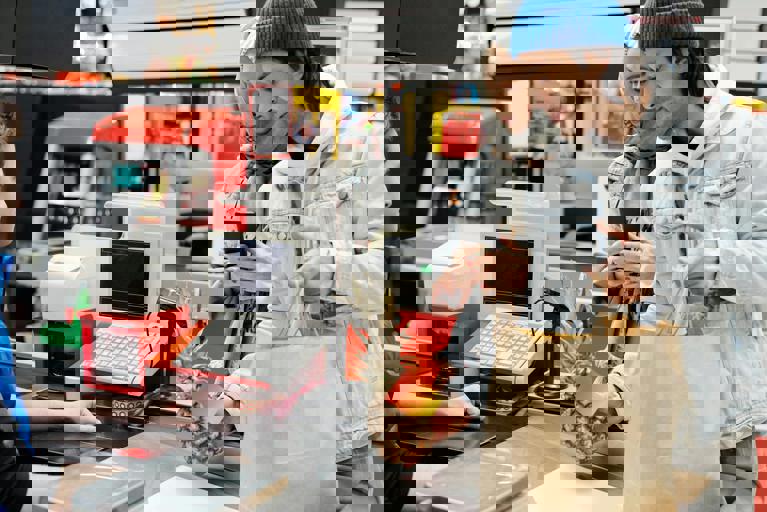
A leading British supermarket chain has announced a decisive shift in its approach to customer service by removing self-checkout machines from its stores, citing a troubling rise in theft losses. The company, which operates hundreds of locations across the United Kingdom, stated that traditional staffed tills will be reinstated in an effort to tackle the issue directly. This move comes after several months of increasing shoplifting incidents linked specifically to the automated self-service lanes that were introduced to improve efficiency and reduce overheads.
Executives at the supermarket point to internal data that reveals a significant spike in shrinkage – the retail term for inventory loss due to theft or error – since the widespread rollout of self-checkout systems. "Our losses have increased by more than 20% in some stores," explained the chain’s spokesperson, Francesca Morgan. "Security expenses have climbed, and the technology hasn’t delivered the savings we once anticipated." This stark assessment convinced leadership to reverse course, prioritising robust service over automation.
Industry analysts say the supermarket’s reversal reflects a broader challenge facing retailers who have embraced self-checkout technology. According to the British Retail Consortium, shoplifting and so-called "sweethearting" (when shoppers intentionally fail to scan certain items) rose sharply as self-checkout units proliferated. "Self-checkouts create opportunities for both accidental and deliberate theft," noted retail consultant Brian Hargreaves. "The lack of direct supervision makes it much easier for losses to go unnoticed until it’s too late."
Staff at the affected stores have generally welcomed the change, appreciating the anticipated return to more direct interaction with customers. "It often felt like the machines encouraged people to make mistakes or even take chances," said longtime cashier Sharon Edwards. "We can give better service and pay closer attention to what’s happening at the tills – that just wasn’t possible with rows of self-checkouts running." Employees hope that this decision could also protect jobs and improve workplace morale.
Customers have voiced mixed reactions to the retailer’s decision, with some applauding the restoration of personal contact, while others express concern about longer queues and less convenience. Frequent shopper and parent David Saunders remarked, "I appreciate not having to fumble with a machine when buying my groceries, but I do worry the lines will get worse during busy hours." Others say the shift may foster greater accountability but worry it could slow down the overall shopping experience.
From a financial perspective, experts highlight that the true cost of theft may outweigh the operational savings provided by automation technologies in the long run. Loss prevention consultant Priya Patel explained, "Retailers must balance efficiency with security. If staffless checkouts result in disproportionately high loss rates, the argument for automation is seriously undermined." Patel warns that with security budgets stretched by the increased need for monitoring and intervention, reversing technological investments becomes a logical choice for some businesses.
Security technologies commonly linked to self-checkouts, such as surveillance cameras and artificial intelligence systems, have not fully mitigated rising losses. Critics argue that determined shoplifters are now exploiting technical blind spots, whereas traditional tills manned by vigilant staff make theft attempts riskier and less appealing. As criminal tactics evolve, retailers face a constant challenge in maintaining both operational efficiency and a secure shopping environment.
Looking ahead, the supermarket’s leadership frames this decision as a return to its core values of customer service, community connection, and accountability. While acknowledging the potential trade-offs in speed and convenience, company officials emphasise the priority of safety for both staff and shoppers. Meanwhile, the retailer plans to monitor results closely and remain open to future innovations that can balance security, service quality, and efficiency without sacrificing one for another.