
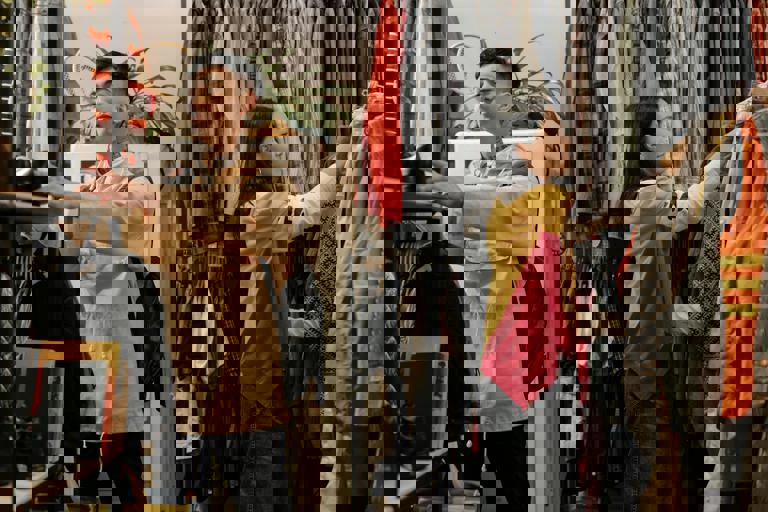
An old dockside warehouse in London’s East End has become the unlikely stage for a burgeoning fashion revolution. Last weekend, the sprawling space was transformed for a much-anticipated vintage clothing swap, attracting hundreds of style aficionados and sustainability advocates. The event, billed as ‘Swap & Style,’ drew in crowds eager to refresh their wardrobes without the guilt or cost of fast fashion, illustrating a growing appetite for alternative shopping experiences in the capital.
Organised by a coalition of local fashion collectives and eco-conscious entrepreneurs, ‘Swap & Style’ encouraged participants to bring pre-loved garments, shoes, and accessories to trade. Unlike traditional shopping markets, no money changed hands; instead, attendees exchanged clothing tokens for new-to-them items. The system not only prevented waste but fostered an atmosphere of camaraderie, where conversations about style and sustainability flowed as freely as the coffee on offer.
Emma Daniels, one of the event’s coordinators, explained the concept’s appeal: “People are realising that fashion doesn’t have to come at the environment’s expense. By swapping, we reduce landfill, cut down on carbon emissions, and help unique pieces find new owners.” Her perspective is echoed by attendees, many of whom cited environmental motivations as a key reason for participating, alongside the desire for distinct, personal style.
Vintage items available ranged from 1970s Maxi dresses to Y2K streetwear, and even rare designer finds. Shoppers like nineteen-year-old Jess Thompson expressed excitement about uncovering treasures unavailable in mainstream retailers. “It’s such a thrill to find something with history,” she shared. “Every piece has a story, and there’s nothing like knowing you’re giving it a new life.” For many, this hunt for the unusual fuels a passion for second-hand fashion.
The event’s success also underscores a changing mindset among Londoners, particularly among younger generations. According to recent research from the Waste and Resources Action Programme (WRAP), over 60% of UK consumers now consider sustainability when making clothing purchases—a stark contrast to a decade ago. Events like ‘Swap & Style’ are tapping into this shift, providing tangible ways for consumers to act on their values without sacrificing their love of fashion.
Local designers and influencers also turned out in support. Well-known stylist Lila Carruthers hosted free workshops on upcycling and customising swap finds. “Fashion is about creativity,” Carruthers said during a tutorial. “By personalising vintage garments, you make them yours and prevent them from ending up as waste. Plus, it’s incredibly rewarding.” Her hands-on demonstrations drew eager crowds seeking practical tips and inspiration.
Stalls throughout the warehouse offered repairs and alterations, ensuring nobody left with ill-fitting clothes. Professional tailors volunteered their expertise, helping guests adjust hems or patch up minor flaws. “Longevity in clothing is everything,” said tailor Marcus Ng. “We’re here to show that with a little effort, second-hand doesn’t mean second-best.” This ethos was further bolstered by information booths on fabric care and mindful laundering techniques.
Music and street food vendors contributed to a festival-like atmosphere. The event’s organisers were keen to create an inclusive community space, not just a utilitarian swap meet. “We wanted people to linger, connect and share their style journeys,” said organiser Priya Patel. Her vision came to life as guests mingled over vintage vinyl beats and vegan snacks, exchanging not just clothes but also stories and recommendations.
Economic considerations also factored heavily. With the cost of living continuing to rise, the event offered a practical solution for cash-strapped Londoners looking to renew their wardrobes without overspending. “Everyone wants to look good, but budgets are tight,” observed attendee John Williams. “A swap like this makes fashion accessible to all, regardless of income. It’s a refreshing alternative to shopping malls or online impulse buys.”
Speakers at the event highlighted the wider environmental crisis wrought by the fashion industry. Globally, an estimated 92 million tonnes of textile waste are produced each year, often ending up in landfill or exported to developing countries. In response, initiatives like clothing swaps play a crucial role in promoting a circular economy, where resources are reused and extended for as long as possible.
Feedback from attendees and volunteers so far has been overwhelmingly positive, spurring organisers to plan future swaps in larger venues. There is even talk of setting up regular events across different London neighbourhoods, aiming to digitise the token system for improved convenience. As the model evolves, it could set a blueprint for cities elsewhere in the UK, and perhaps even further afield.
As participants packed away their new treasures and the warehouse returned to its industrial calm, one thing was clear: sustainable fashion is more than a passing trend for Londoners. Community-driven initiatives like ‘Swap & Style’ are helping shift attitudes, empower individuals, and reduce environmental impact—one garment at a time. The fusion of creativity, affordability, and shared values may well redefine how the city engages with fashion for years to come.