
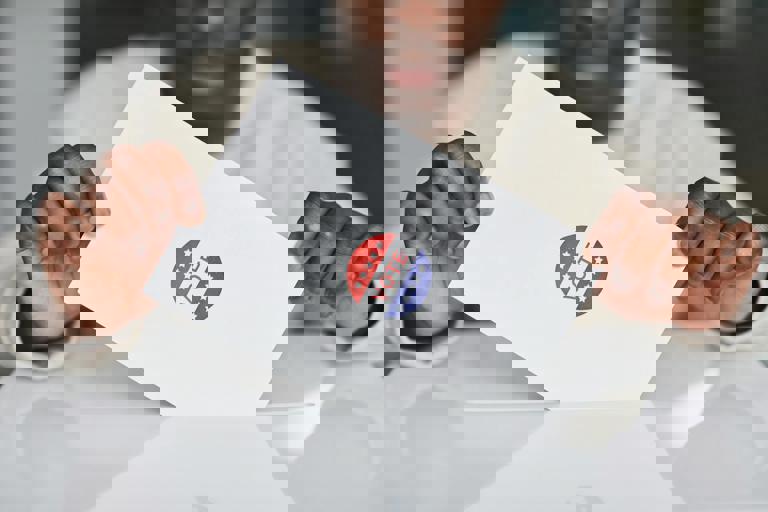
Plans to reform voting protocols in rural areas are sparking intense debates among politicians, advocacy groups, and residents alike. The proposed changes are being promoted as essential updates to ensure security and efficiency in voting processes. However, critics argue that such reforms risk undermining ballot accessibility for vulnerable rural populations, raising significant concerns over the potential effects on democratic participation and fairness in upcoming elections.
One of the main features of the proposed reforms is the introduction of stricter voter identification requirements. Proponents claim these measures will help prevent electoral fraud and boost trust in the election process. Yet, activists counter that the requirements may disproportionately affect people living in remote areas, where access to official identification services and government offices is already limited. This tension has become a central theme in the debate.
Community leaders in rural districts have voiced apprehensions, warning that the logistics of traveling long distances—sometimes over poorly maintained roads—could discourage eligible voters from participating. According to Mary Hindle, chair of a rural voting rights coalition, "Many residents don’t have reliable transportation, and adding extra steps to the process will only make it harder for them to cast their ballots." This perspective underscores the lived realities of rural voters.
In addition to identification rules, the reforms include a reduction in the number of polling stations in sparsely populated areas. The government claims consolidating polling places will lead to greater efficiency and cost savings. However, detractors insist that such moves will erect additional barriers, especially for the elderly and those with mobility issues who already face challenges in accessing public services.
Statistics provided by the Electoral Reform Society indicate that rural turnout rates are already lower than those in urban areas. In the last general election, rural wards saw turnout lag by as much as 8% behind their city counterparts. Opponents of the new rules argue that reducing accessibility could widen this gap, threatening the principle of equal representation that underpins the UK’s democratic framework.
Proponents of the reforms point to cases of electoral fraud as justification. Though reported incidents are rare, supporters believe that even perceptions of irregularities must be tackled for the sake of transparency and public confidence. Sarah Lovett, an MP backing the reforms, argues, "Ensuring every vote is legitimate should be our top priority. These changes aim to strengthen, not weaken, our democracy."
On the other hand, rural advocacy organisations argue that the risk of disenfranchisement far outweighs that of fraud. They contend that the government should focus on expanding accessibility through initiatives like mobile polling units, postal voting enhancements, and robust community outreach, rather than imposing additional restrictions. Such recommendations are being discussed in petitions circulating within affected regions.
Many rural residents point to the importance of personal relationships and communal trust in their small communities, where electoral fraud has historically been almost nonexistent. Judith Mason, a long-time resident of Northumberland, notes, "We know our neighbours; we know who comes out to vote. Outsiders seem to underestimate the safeguards that our local communities naturally provide." Her sentiment is echoed by others reluctant to see new obstacles introduced.
Concerns are also arising over the digital divide, as some reforms propose shifting more voter registration processes online. Despite improvements in broadband coverage, significant numbers of households in rural areas lack reliable internet access or the digital literacy needed to navigate online forms. Without parallel investments in digital infrastructure and support services, critics fear the reform could deepen existing inequalities.
The planned changes have reignited conversations around the rural-urban divide, a long-standing issue in British politics. Some rural residents express frustration with what they perceive as city-centric policymaking that fails to consider the unique needs of the countryside. Advocacy groups stress the importance of engaging with rural populations directly to craft reforms that are both effective and inclusive.
The government maintains that provisions will be made to support voters facing barriers, including outreach programs and limited exceptions for those unable to comply with new requirements. However, concrete details remain vague, fuelling skepticism among campaigners who argue that past promises to rural communities have not always translated into meaningful action.
Multiple political parties have seized on the issue, recognising its resonance with voters outside major urban centers. Some opposition MPs have called for the establishment of an independent commission to review rural voting accessibility before any reforms are enacted. Meanwhile, calls for further public consultations continue to grow, as local councils urge more voices from the countryside to be heard in decision-making processes.
As the debate intensifies, the coming months will prove crucial for determining the future of rural democracy in the UK. The outcome of these reforms could set precedents not only for how elections are conducted in rural areas, but for broader commitments to political inclusion and fairness. Both supporters and detractors agree: at stake is nothing less than the integrity and accessibility of the nation’s democratic process.